Important Resources for Chapter 1 and 3
So You Sell More Books
CHAPTER 1 RESOURCES
AUTHOR BRAND
By Hanne Brøter
ILLUSTRATIONS
CHAPTER 3 RESOURCES
AUTHOR WEBSITE
By Sandra Beatty (with Cheri Andrews)
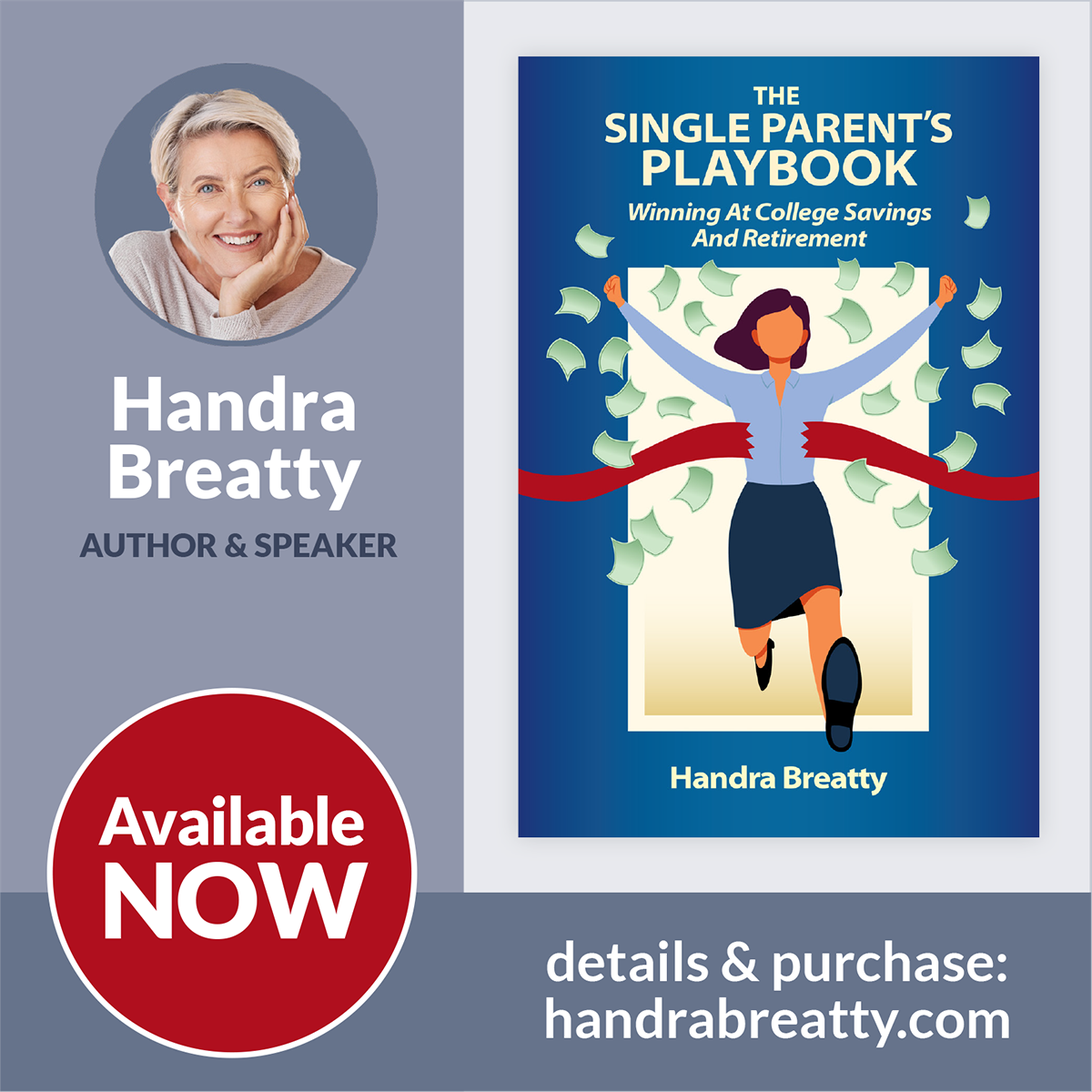
TEMPLATES FOR BOOK LANDING PAGES
EXAMPLES OF BOOK LANDING PAGES
SEE THE TEMPLATES IN ACTION
By Sandra Beatty and Hanne Brøter
Illustration #1
Should you use the colors and fonts from your book cover as the visual branding for your website?
A pitfall that follows from the duality of the author/book-branding issue, is this: You are a spanking new author, proudly launching your very first book. It has been designed an awesome cover where the title and other text are set in a certain font, and certain colors have been used.
Now, you are about to create a website! Should you use the colors and fonts from your book cover as the visual branding for your website? I know it is very tempting to do so; the book and the website will match perfectly; everything will look gorgeous.
Until you publish your second book, a totally different story or topic. This book has demanded a cover branded to its own particular content, as we explained above, which WILL NOT match the website, because the website was created to match the first book.
So, I would say NO, unless you are planning on writing only ONE book in your life, do not brand your website to fit your (first) cover.
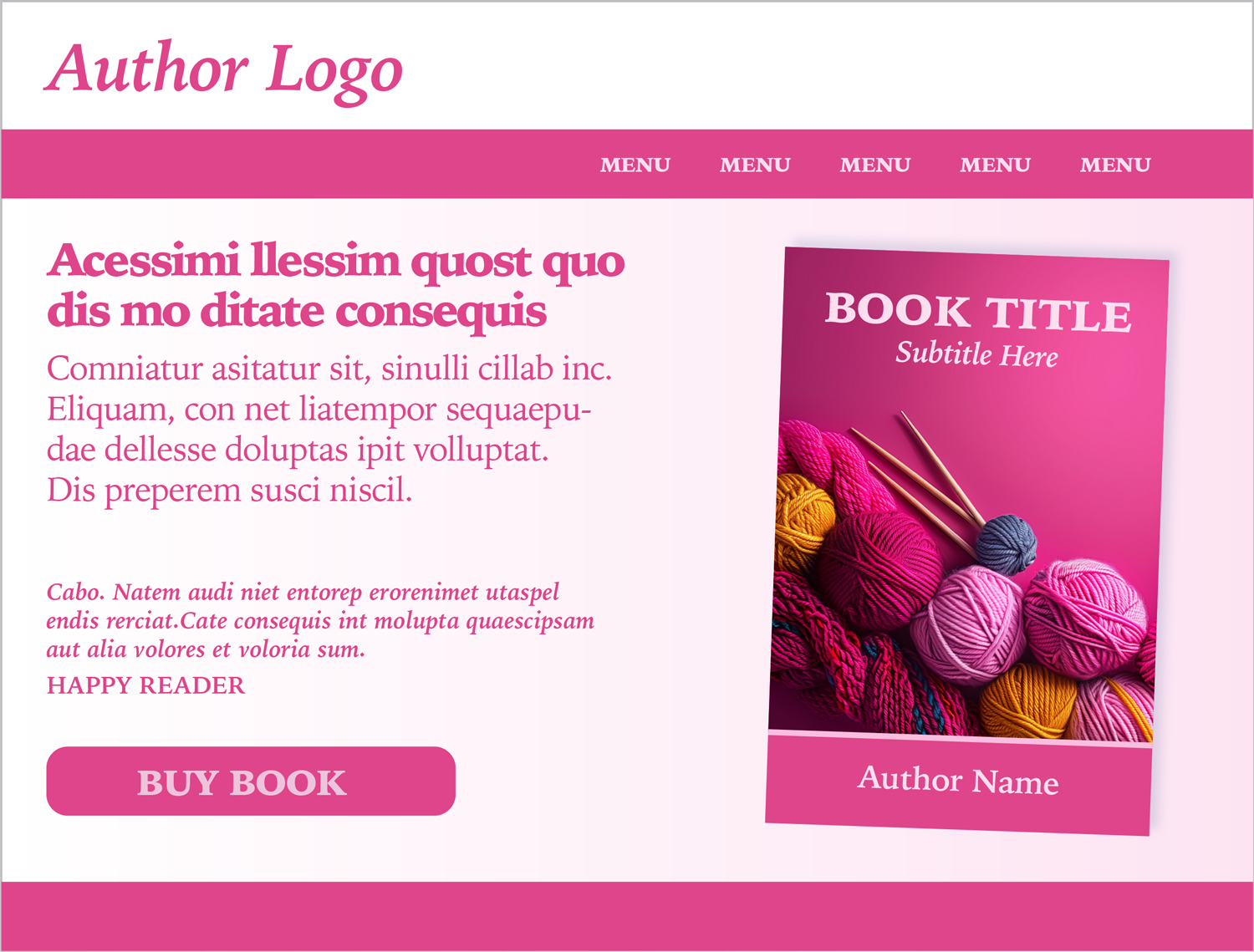
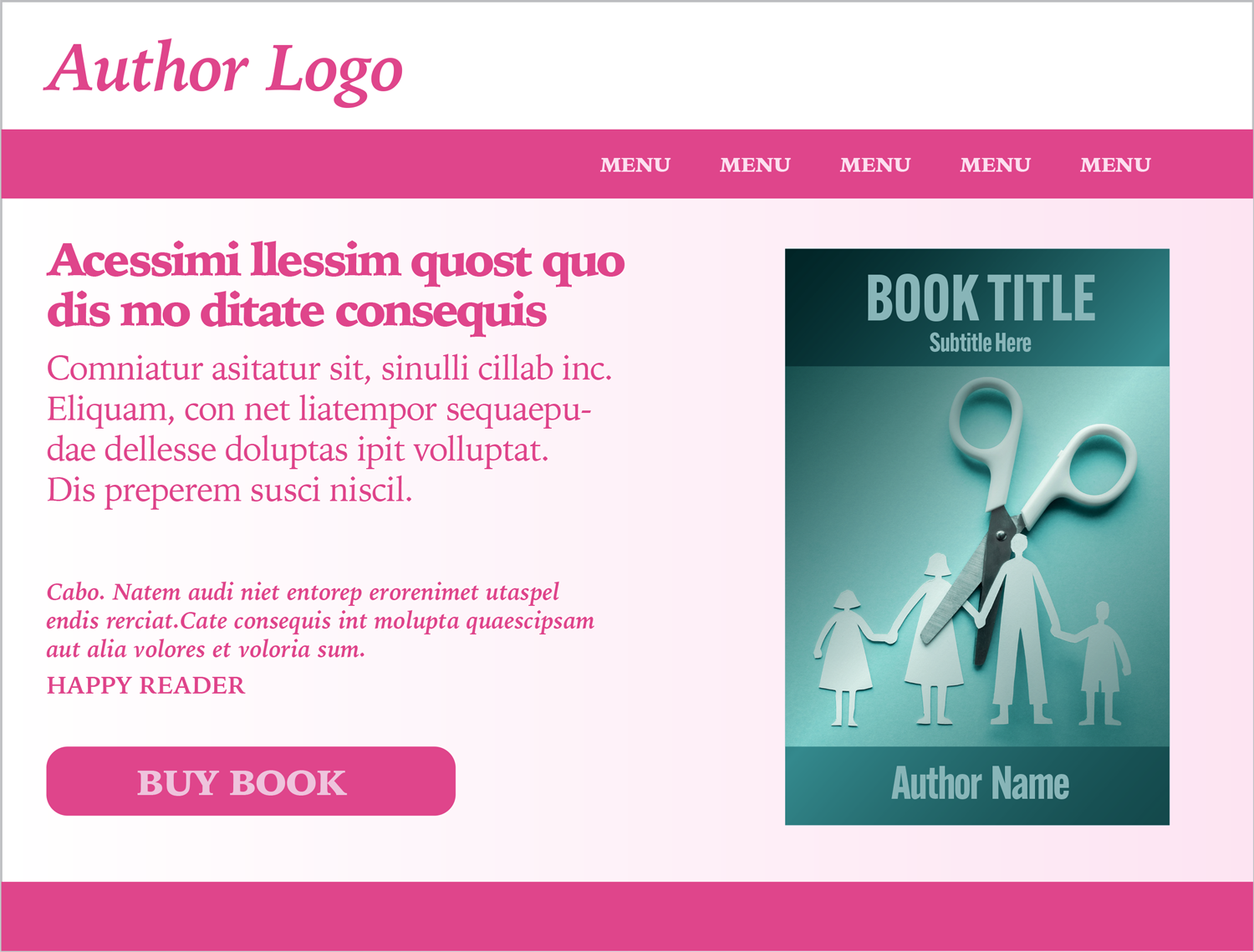
Illustration #2
Here is another example: You are an entrepreneur who has developed a proprietary method in your field of expertise, on which you have based your business and offers. You have already had a visual brand profile developed for the business and method, and your website and other visual touchpoints are all designed according to this.
Then you put your method into writing and publish it as a book, with the same title as your method. Should the book cover be designed within the existing visual profile? YES. Because it is part of your business and existing visual brand.
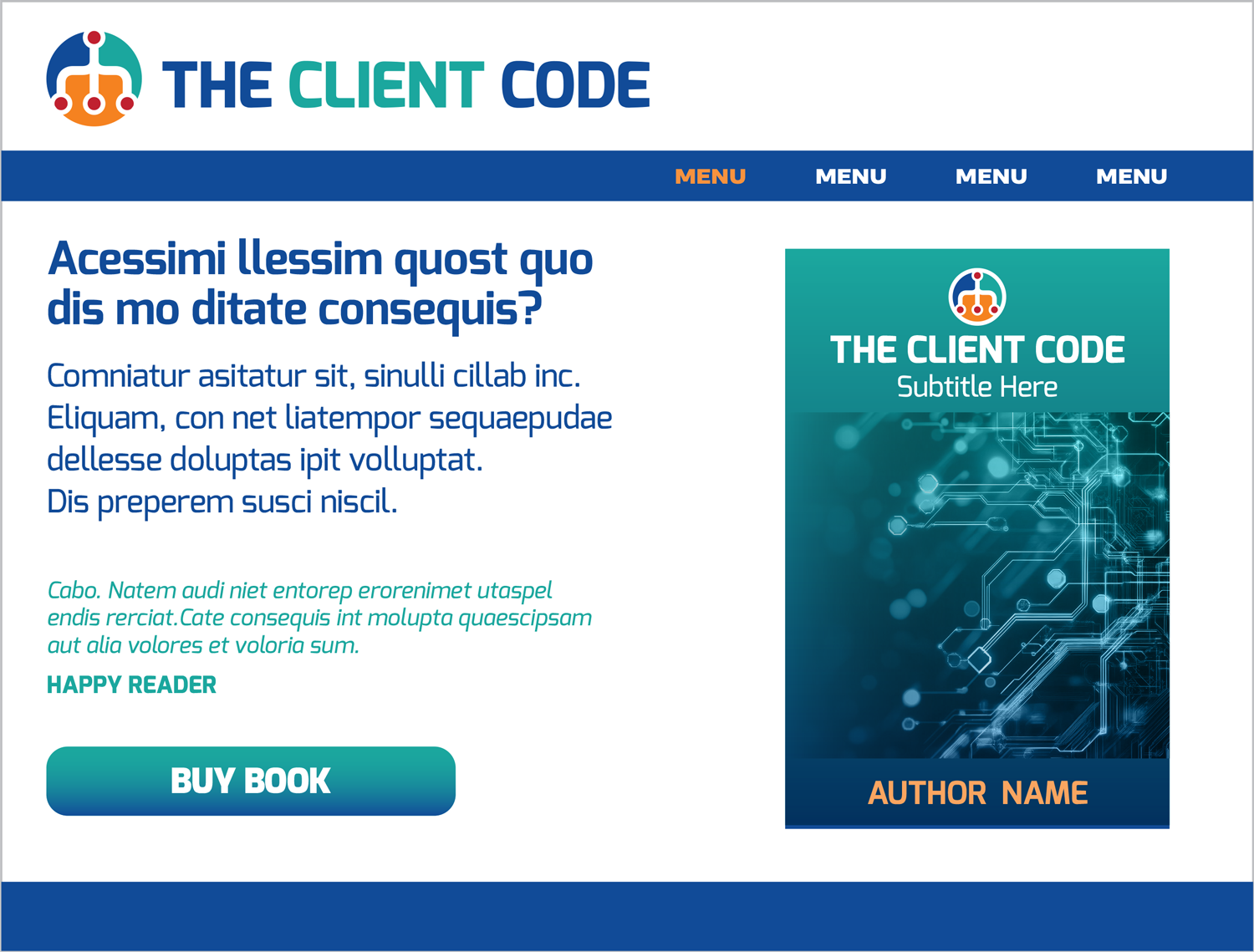
Illustration #3
If you cover art does not span the entire cover, you need to find colours that work well with the art for the areas that are not occupied by the photo or illustration. You’ll also need to find colors for the texts and back cover.
One way of finding colors that will work with the image, is to pick them from the image itself. It is a good idea to pick 2-3 colors from the photo/illustration and create a color palette that can be used consistently across the cover. Remember that you can create tints (lighter versions) and shades (darker versions) from the colors you pick from the photo.
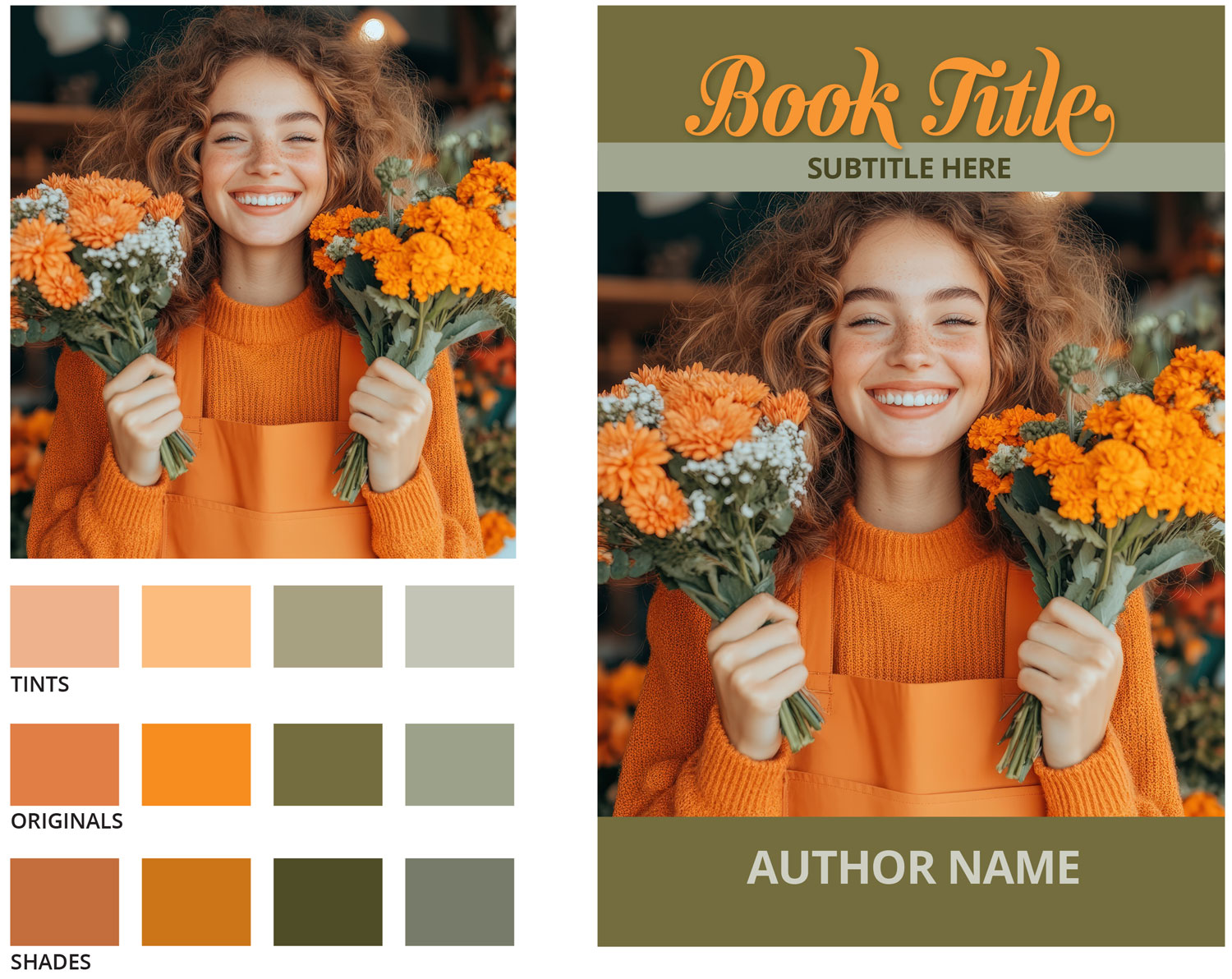
Illustration #4
Signature Logo – 4 Different Kinds
1. Some authors want their signature logo to consist of their name only, written straight forward in their author brand font.
Depending on the length of your name, you can consistently render it on one or two lines wherever it is used or let the context and space in which it is rendered decide this. In any case, the consistent visual branding will still be the font.
2. Another solution some authors prefer is to let the signature logo have one or more significant custom-created typographic twists, like combining two letters into one, swapping a dot over an I with a tiny symbol, or adding a “swash” to an ending letter. These custom typographic variations are easier to understand when you see them; please see the illustration to the right.
3. Some authors want a more “full-fledged” logo with a companion logo icon and a tagline. A tagline will show this, especially when the logo owner is not only an author but also promotes themselves in other roles, like a speaker, editor, mentor, podcaster, or teacher.
These are examples of fictional author signatures #1-3.
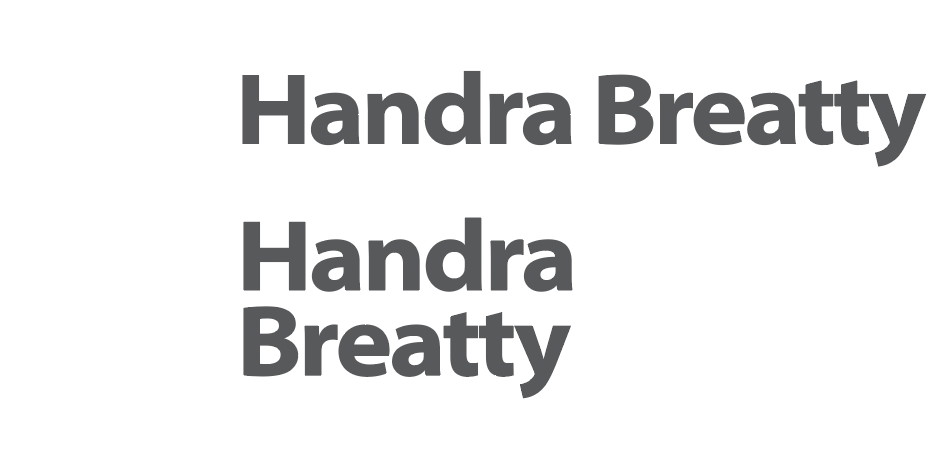


Illustration #5
Author Brand Neutral Color Palette
Neutral colors that will not fight with colorful covers can be found in the grey-tone spectrum. The grey tone spectrum/range/scale contains the colors that spans between white and black, in other words all greys you can think of from light to dark. All colors within this spectrum/range/scale is NEUTRAL, that is they will not clash or fight with colorful book covers.
Any color will “step down” from dominance if rendered with a low saturation. They are then perceived as “pale” or grey versions of themselves. Dark blue will never trust itself forward in any visual composition, as a matter of physics.
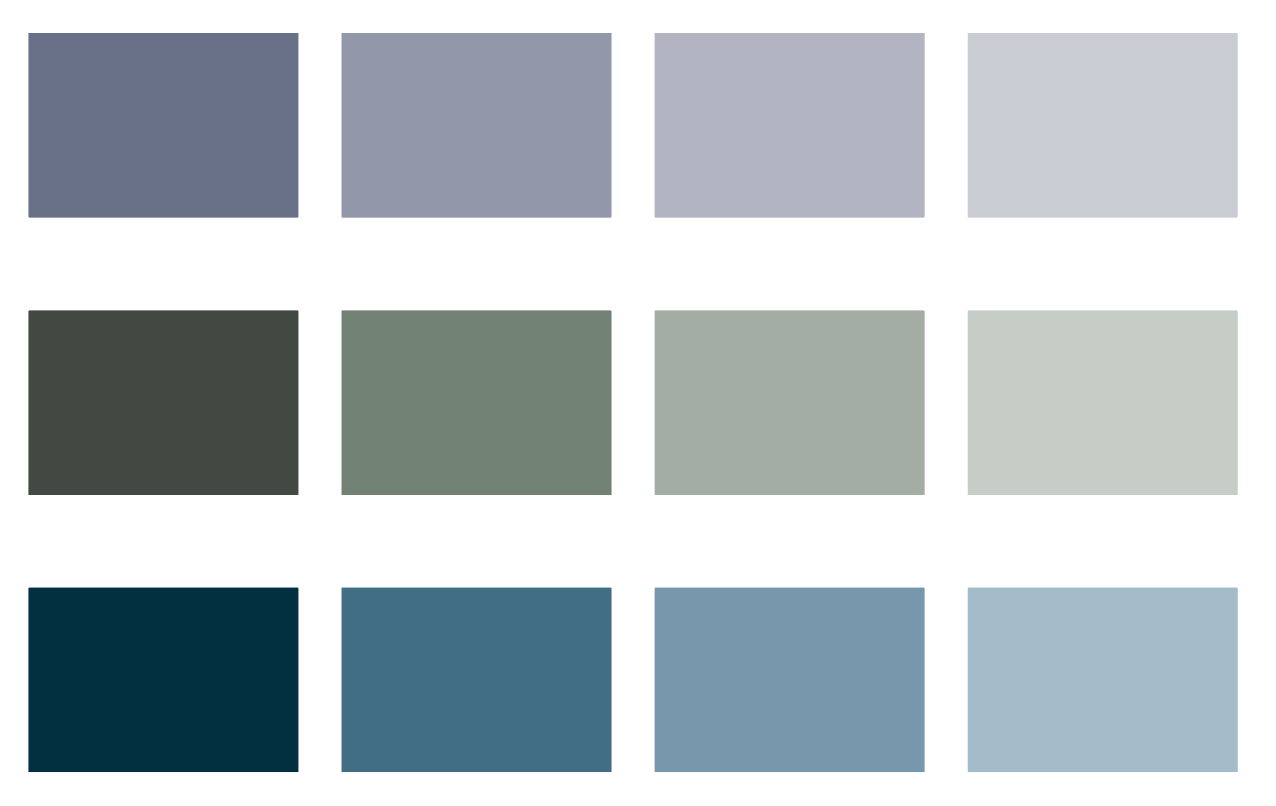
Illustration #6
Author Brand Font
The font of an author’s brand should also be low-key but with sufficient significance to provide recognition. Please don’t use noisy display fonts or fonts with fancy typographical details. These will draw unwanted attention to themselves, not only from the book cover(s) in the contexts but also from the words that have been set with them. (I cannot hear what you say because of the way you are saying it)
When choosing a font look at how many weights (bold, light etc.) are available. A sufficent number of weights will let you create typographic variations without introducing a second font.
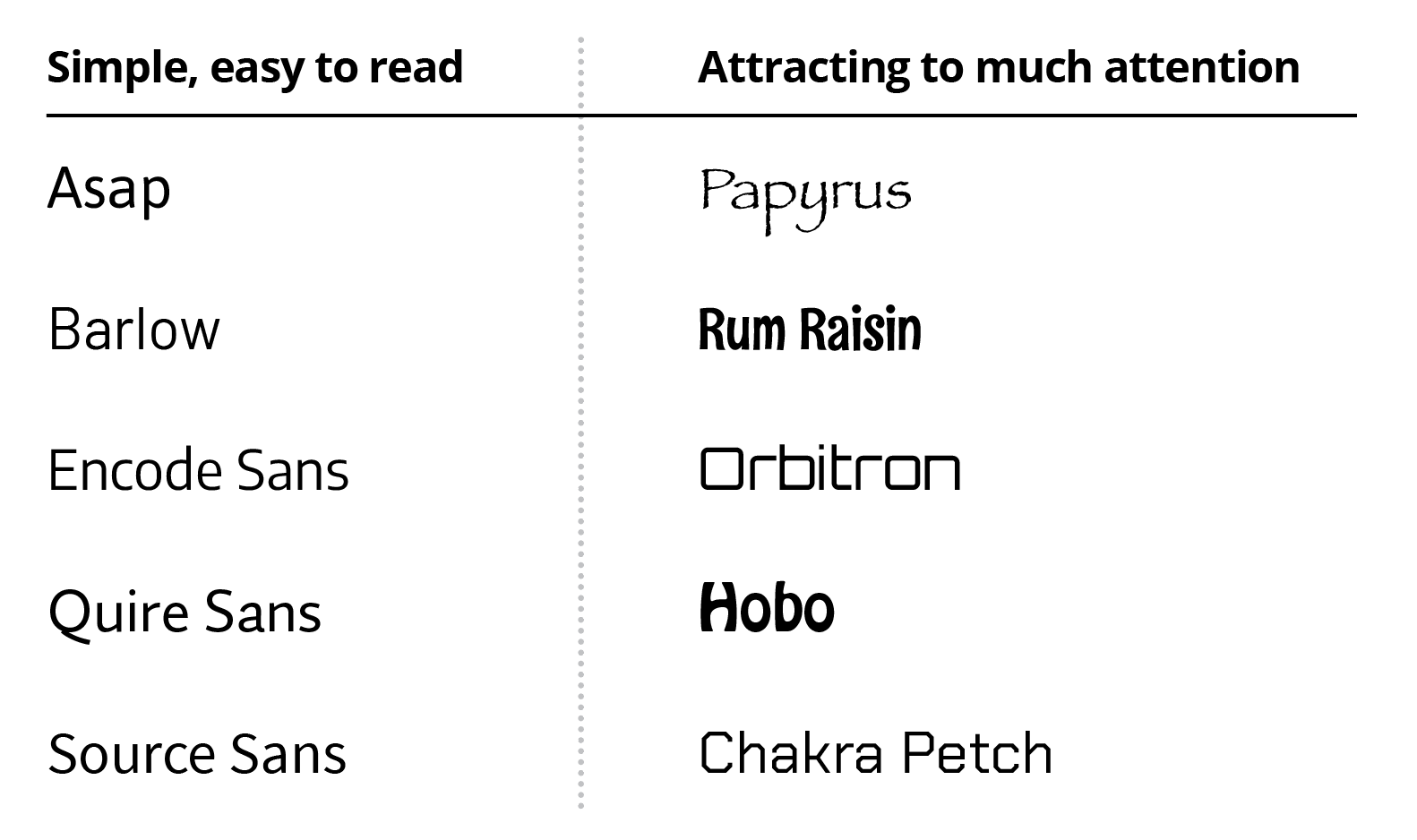
Illustration #7
Let a Graphic Designer Help.
When creating your visual author brand, I recommend you hire a graphic designer to help you. Logo-design, color and typography are their expertise. They can also help you implement your visual branding on the touchpoints where you will be using it and create templates from which you can go on producing your own materials, like for social media post-images, ads and newsletters.
These are examples of social media post images for two fictional author brands.



TEMPLATES FOR BOOK LANDING PAGES
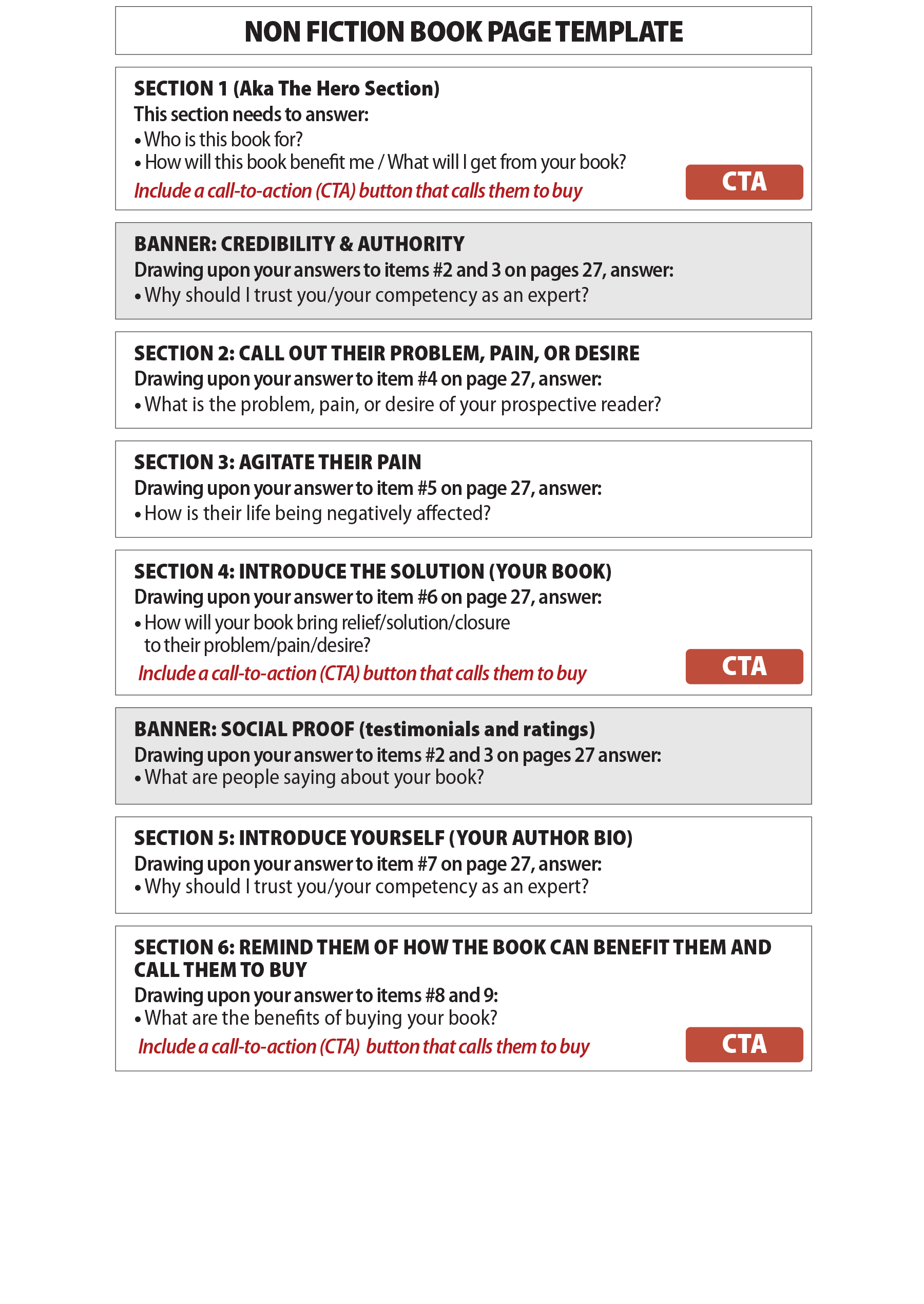
Download PDF
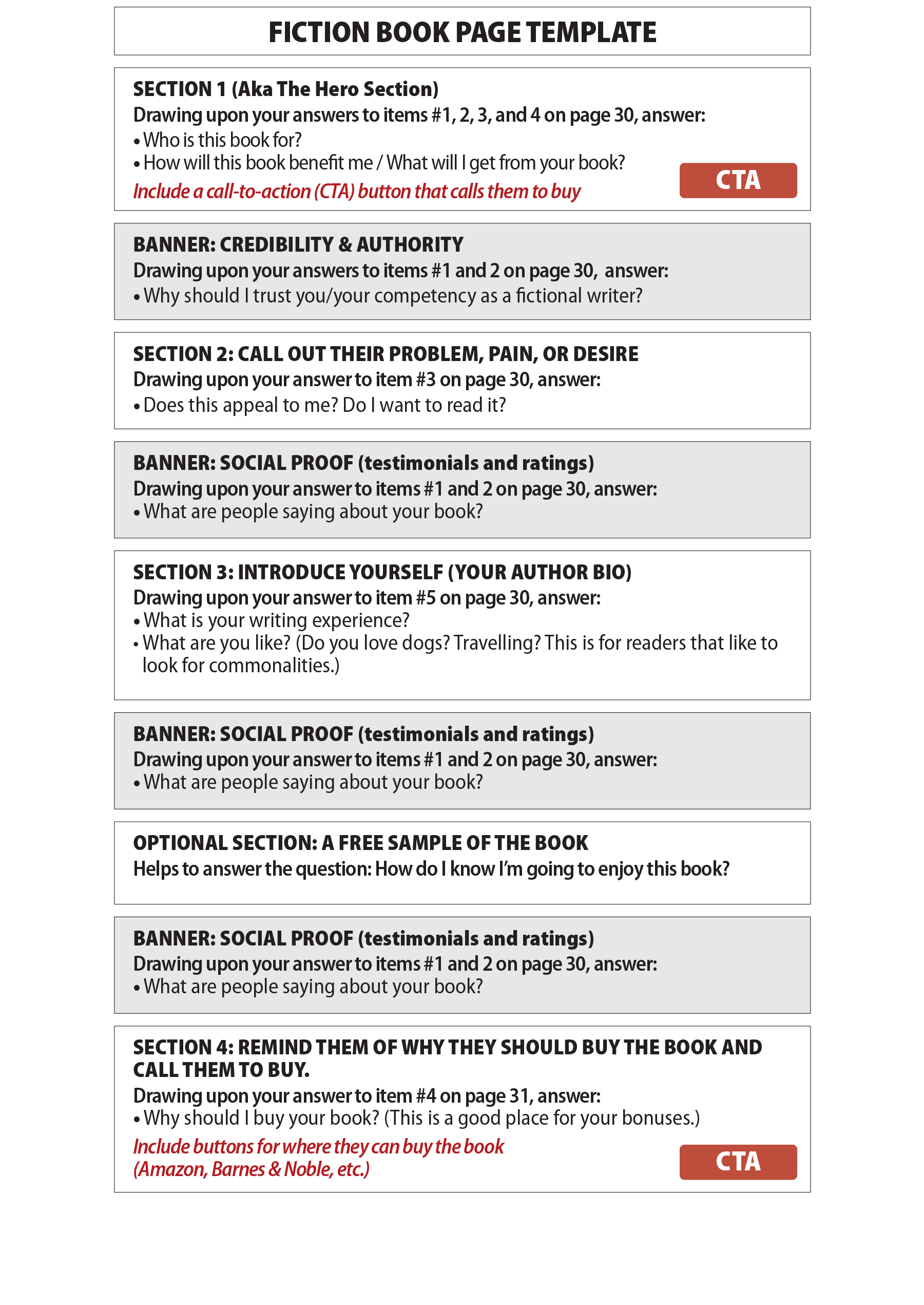
Download PDF
For a Persuasive—and Profitable—Book Page
Contact Sandra and Hanne
(You’ll have 20+ years of combined experience in your corner.)

Sandra Beatty,
Website Strategist &
Conversion Copywriter
E-mail:
sandra@sandrabeatty.com

Hanne Brøter,
Strategic Brand Manager
& Graphic Designer.
E-mail: hanne@yourbrandvision.com

Hanne and Sandra did a home-page analysis that knocked my proverbial socks off. I’m really looking forward to moving on that project!

Deborah Kevin,
Author, Publisherand Podcaster
With their guidance, my website has definitely been upleveled, and I’ve already received so many compliments. I can’t wait for the next round!

Carrie McWhether,
Entrepreneur
Copyright 2025 Sandra Beatty & Hanne Brøter